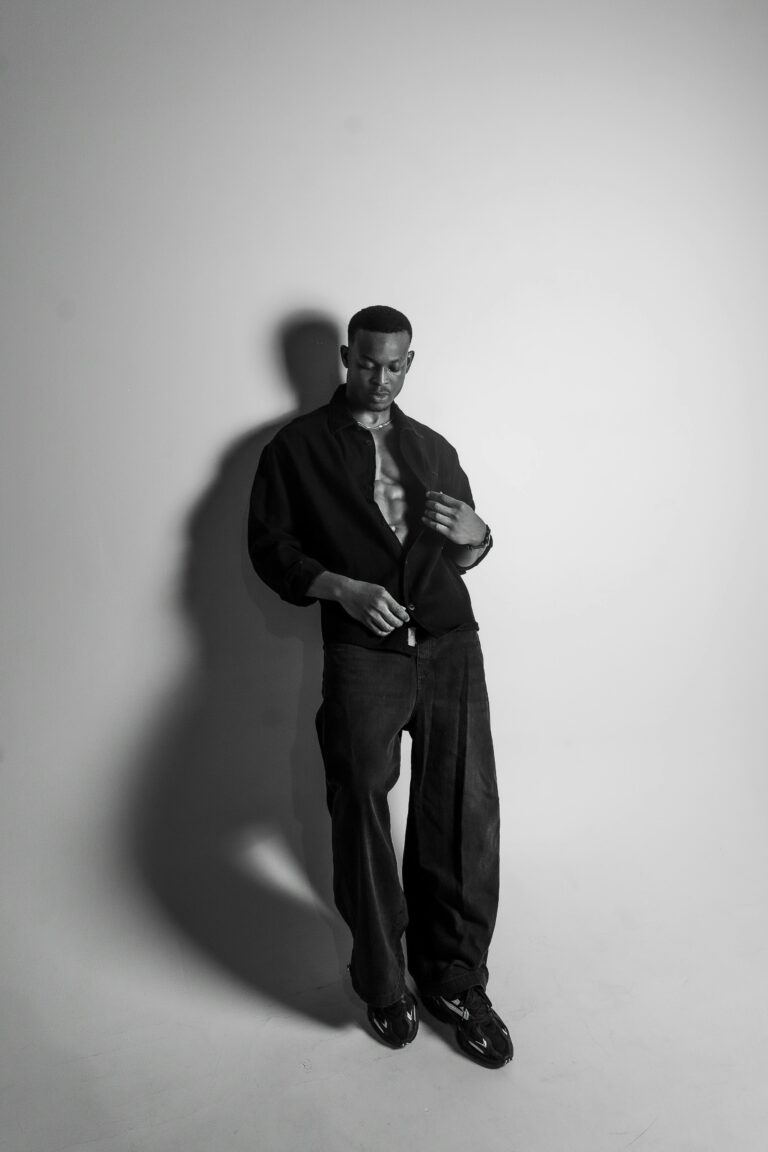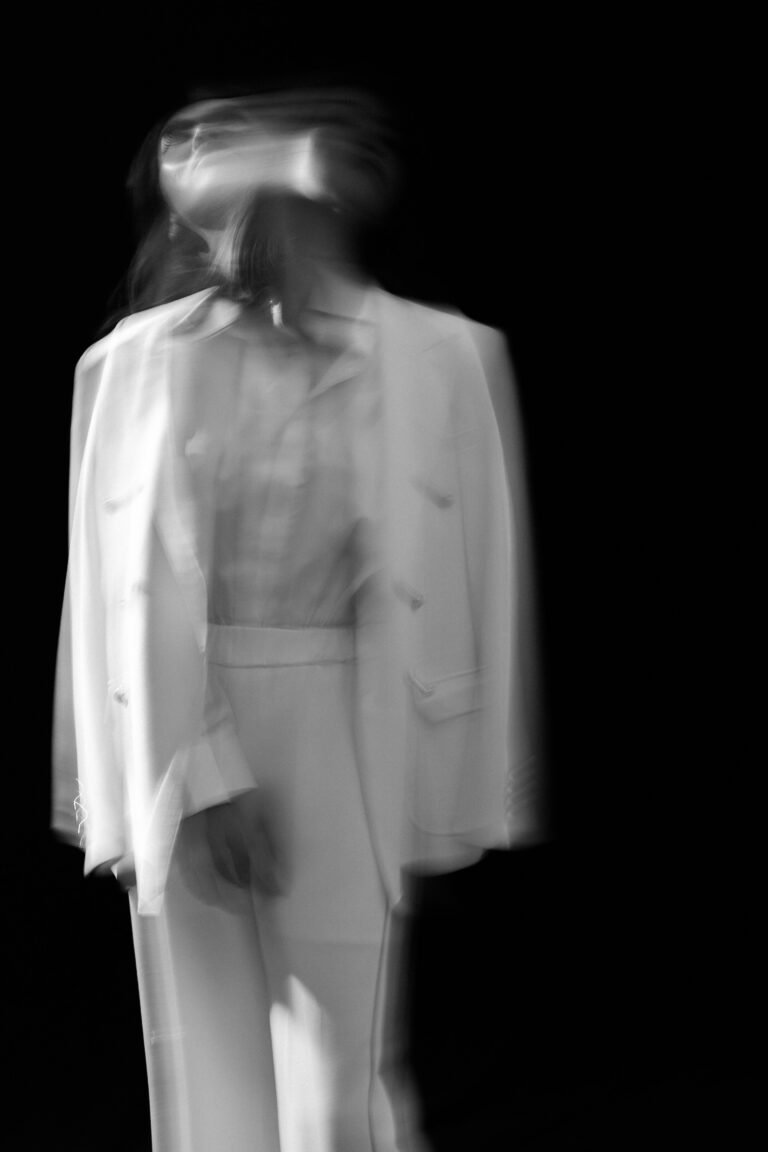

Lookbooks are one of the most visually powerful assets a fashion brand creates, and one of the most wasted from an SEO perspective. Most lookbooks live as PDFs, image galleries or campaign pages with no text, no structure and no chance of ranking. Done properly, a lookbook can be both a beautiful brand statement and a serious SEO asset, capturing seasonal demand, ranking for styling queries and earning citations from AI search.
Here is how to build one that works.
Treat the lookbook as a web page, not a campaign asset
The first mistake most brands make is treating the lookbook as a downloadable file rather than a live page. PDFs do not rank. Image-only pages do not rank. A proper SEO-friendly lookbook is a fully built web page with imagery, copy, structure and internal links, hosted on your own domain.
If you need a PDF version for press or wholesale, keep it. But the version your customers see should always be a web page first.
Build it around a search intent
A lookbook with no SEO intent will rank for nothing. Decide what the page should rank for before the imagery is even shot. Common angles include seasonal collections, occasion-led edits, capsule wardrobes, trend-led stories, collaboration launches or audience-specific guides.
A page targeting “autumn 2026 women’s collection” needs a different structure to one targeting “wedding guest dresses for autumn”. Both can be a lookbook. They serve different searches and need different decisions.
Write a strong introduction
Every lookbook page should open with a paragraph or two of editorial copy that sets the scene. The collection inspiration, the season, the mood, the standout pieces and the styling direction. This is the content search engines and AI search models actually read. Without it, the page is invisible to anything that does not parse images.
The intro should naturally include the keywords you want to rank for, without feeling forced. Two or three hundred words is plenty.
Caption every look properly
Every individual look in the lookbook needs supporting copy. Not just product names, but real captions. Describe the look, the styling, the occasion it suits, the products featured and the editorial idea behind it. Two to four sentences per look is usually the right length.
These captions are where most of the long-tail SEO value sits. Phrases like “black tailored wool coat with brown leather boots” or “ivory silk slip dress styled for a winter wedding” capture exactly the kind of specific, intent-led searches lookbooks can rank for.
Optimise the imagery
Images carry most of the storytelling in a lookbook, and they also carry significant SEO value if treated properly. Use descriptive filenames before uploading. Write proper alt text for every image, describing the look, the products and the context, not just “model in dress”. Compress imagery for performance without losing quality. Use modern formats like WebP or AVIF where possible.
A slow lookbook page is a dead lookbook page. Speed matters as much as imagery.
Link to the products
The point of a lookbook is to drive desire. The job of SEO is to convert that desire into action. Every featured product should link to its individual product page. Use clear, styled product modules underneath each look or alongside the imagery, including product name, image, price and a link.
This does three things. It improves the user journey, it spreads internal link equity to your product pages and it gives Google a clear structural map of how the lookbook fits into your wider catalogue.
Add structured data
Use schema markup to give search engines a machine-readable version of the page. Article or CreativeWork schema for the lookbook itself, Product schema for the items featured and ImageObject schema for the imagery. This increases the chance of rich results in Google and improves how AI search models parse the content.
Make it part of a wider content cluster
A lookbook on its own is a single page. A lookbook supported by a styling guide, a trend report, an editorial piece and a press release becomes a content cluster, all linking back to one another. That cluster is what lets the page rank for competitive seasonal queries and earn citations across AI search.
Plan supporting content alongside the lookbook itself. The launch is the moment, but the long-term SEO value comes from the cluster.
Keep it evergreen where you can
Some lookbooks are tightly tied to a single season or drop and will lose relevance once it ends. Others can be evergreen. Capsule wardrobes, styling edits and audience-specific guides can live and rank for years if the products are kept up to date.
For evergreen lookbooks, refresh the products, captions and metadata each season. For seasonal lookbooks, archive properly and redirect to the next equivalent piece when the time comes, so backlinks and authority are preserved.
The bottom line
An SEO-friendly lookbook is a beautifully designed web page built around a clear search intent, supported by strong editorial copy, proper captions, optimised imagery, internal product links and structured data. Get those elements right, and the lookbook becomes one of the most powerful pieces of content on the site, working as both a brand statement and a search asset. Get them wrong, and it stays exactly where most lookbooks live, invisible to everyone except the customers who already knew where to look.